 se habla Español
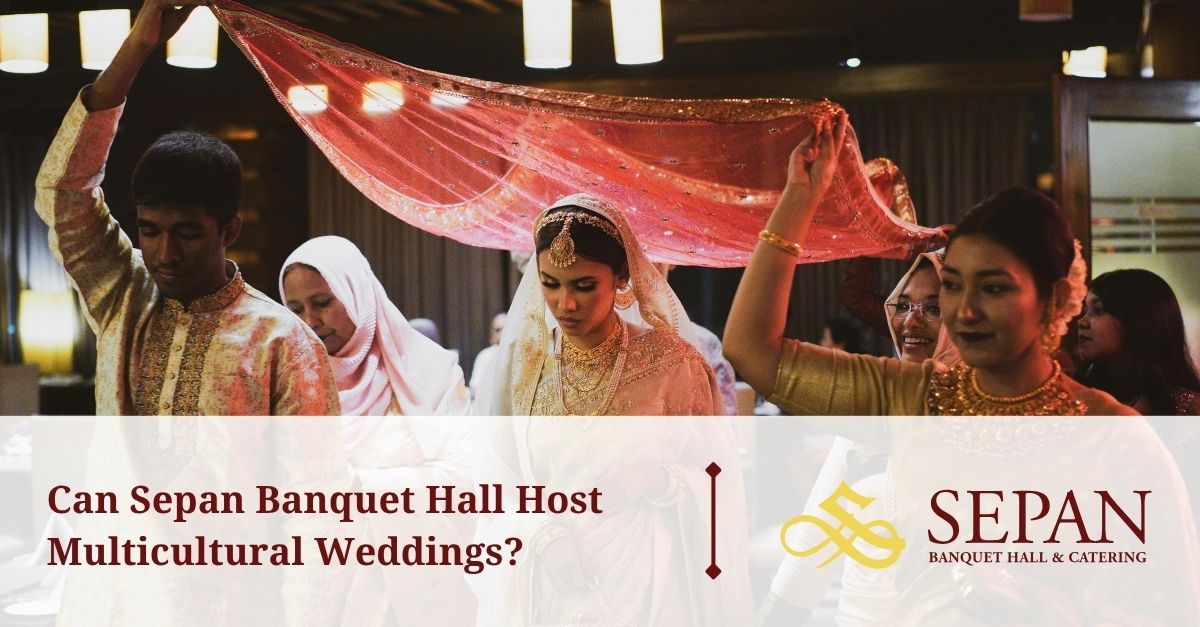
Planning a multicultural wedding is one of the most beautiful—and complex—challenges a couple can take on. You’re blending two families, two sets of traditions, and possibly two different cuisines, all in one celebration. The question most couples ask early in the planning process: can a banquet hall actually pull this off?
The short answer is yes. Many banquet halls are well-equipped to host multicultural weddings, offering flexible catering, customizable décor, and experienced staff who understand the unique demands of cross-cultural celebrations. But not all venues are created equal, and knowing what to look for can make all the difference.
This guide answers the most common questions couples have about hosting multicultural weddings at banquet halls—from catering and décor to ceremonies and vendor policies.
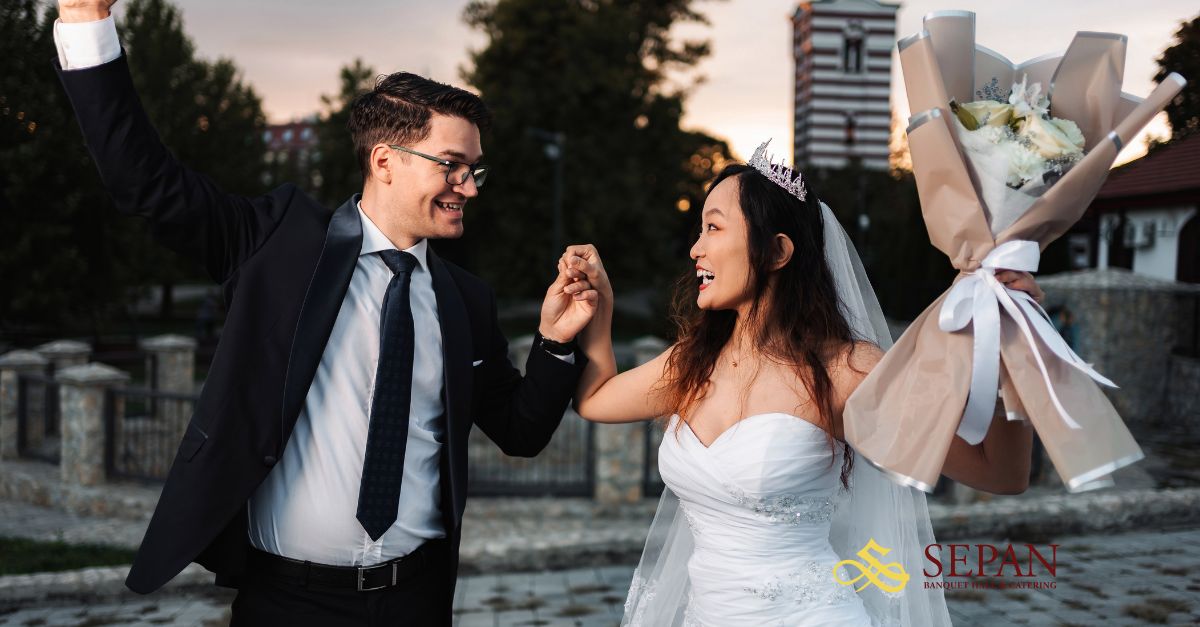
Frequently Asked Questions
What makes a banquet hall suitable for a multicultural wedding?
A great multicultural wedding venue does more than provide a beautiful space. It offers flexibility. Look for banquet halls that allow outside caterers or have experience preparing dishes from multiple culinary traditions. The venue should also be open to customized décor, which may include cultural symbols, traditional color schemes, and ceremony-specific setups like mandaps, altars, or tea ceremony tables.
Equally important is the staff’s experience. A team that has coordinated multicultural weddings before will anticipate needs you haven’t even thought of yet—like separate prep areas for halal and non-halal dishes, or scheduling back-to-back ceremonies in different styles.
Can banquet halls accommodate multiple ceremonies in one day?
Yes, and many do it regularly. Some multicultural weddings include two separate ceremonies—a Hindu puja in the morning and a Western reception in the evening, for example, or a traditional Chinese tea ceremony followed by a formal dinner.
To make this work smoothly, the venue needs enough space to transition between setups without disrupting guests. A flexible floor plan, multiple event rooms, or an experienced coordination team can all help. When touring venues, ask specifically whether they’ve managed multi-ceremony events before and what their setup and breakdown timelines look like.
How flexible is the catering at most banquet halls?
Catering flexibility varies widely. Some banquet halls operate exclusively with in-house catering teams, which may limit your menu options. Others work with preferred vendor lists, while some give couples complete freedom to bring in outside caterers.
For multicultural weddings, this is a critical question. You may need dishes that span two or more culinary traditions—Caribbean jerk alongside Eastern European pierogies, or Indian curries paired with a traditional Mexican feast. Before booking, ask whether the kitchen can accommodate multiple cuisines simultaneously and whether the catering team has experience with the specific dishes you have in mind.
Also worth asking: can the venue accommodate dietary restrictions tied to religious or cultural practices? Halal, kosher, and vegetarian requirements are common at multicultural weddings and should be handled with care.
Can we bring in our own cultural décor and vendors?
Most banquet halls allow couples to bring in their own décor and vendors, though policies differ. Some venues have preferred vendor lists you’re encouraged (or required) to work with. Others are fully open to outside florists, lighting designers, and cultural décor specialists.
If your wedding involves specific cultural elements—like a floral mandap, paper lanterns, traditional fabric draping, or a sweetheart table styled in a particular cultural aesthetic—you’ll want to confirm the venue is on board before signing a contract. Ask about restrictions on open flames, hanging décor, or structural installations, as these vary by venue and can affect your plans significantly.
What cultural ceremonies can typically be accommodated?
Experienced banquet halls can accommodate a wide range of cultural ceremonies, including but not limited to:
- South Asian weddings: Hindu, Muslim Nikah, and Sikh Anand Karaj ceremonies, which often require specific spatial arrangements and extended timeframes
- East Asian traditions: Chinese tea ceremonies, Korean paebaek ceremonies, and Japanese-style receptions
- Middle Eastern and Armenian weddings: Large guest counts, traditional music, and extended celebrations that may span multiple days
- African and Caribbean celebrations: Vibrant décor, traditional attire presentations, and live musical performances
- Western fusion weddings: Blending religious and civil ceremonies with traditions from two distinct cultural backgrounds
The key is communicating your specific needs early in the booking process so the venue can confirm they have the space, staffing, and flexibility to make it work.
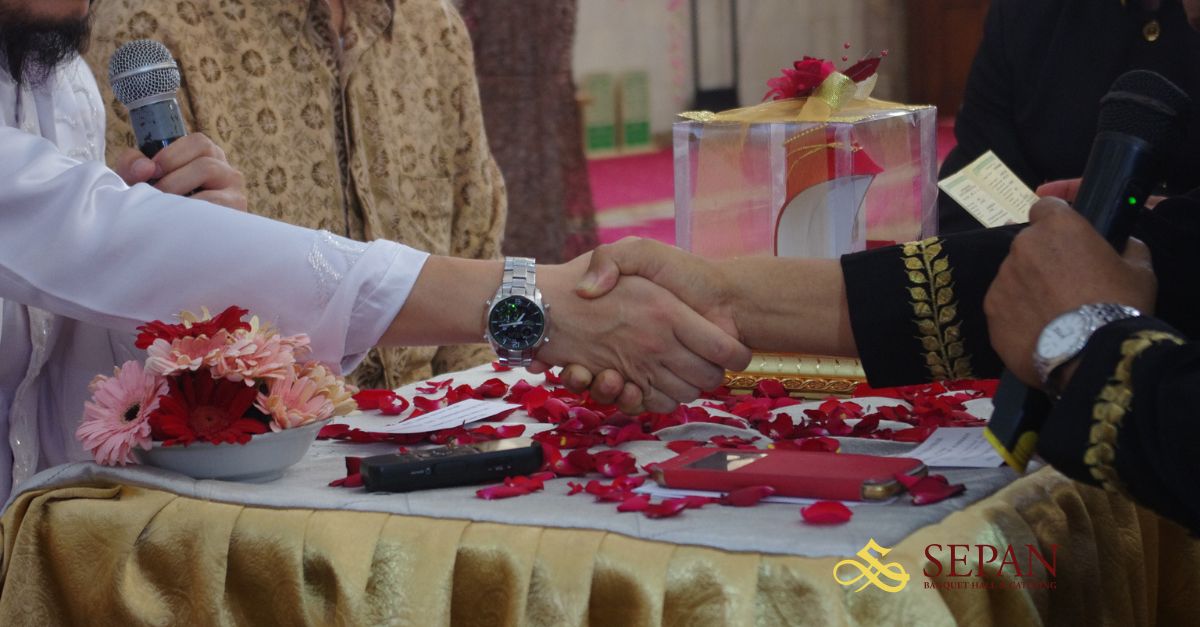
How do we communicate our cultural needs to a venue?
Start by making a detailed list of every cultural element you want to include—ceremonies, food, décor, music, attire changes, and any special rituals. Share this list during your initial venue tour and ask the coordinator how they’ve handled similar requests in the past.
Don’t assume the venue will figure it out as you go. The more specific you are upfront, the better they can prepare. Ask for a dedicated event coordinator who will manage the day-of logistics, and schedule at least one detailed planning meeting closer to the wedding date to walk through the full timeline.
What questions should we ask when touring a banquet hall?
When evaluating a venue for a multicultural wedding, come prepared with these questions:
- Have you hosted multicultural or multi-ceremony weddings before?
- Can we bring in outside caterers, or do you have a preferred vendor list?
- Is there space for separate ceremony and reception setups?
- What are your policies on outside décor, open flames, and structural installations?
- Can you accommodate large guest counts if needed?
- Do you have a dedicated coordinator for multicultural events?
- What is the setup and breakdown timeline between events?
The answers will quickly reveal whether the venue has the experience and flexibility your wedding requires.
Are banquet halls a better option than other venues for multicultural weddings?
Banquet halls tend to offer a practical combination of space, infrastructure, and professional staffing that makes them a strong choice for multicultural weddings. Unlike outdoor venues or historic sites, banquet halls typically come equipped with commercial kitchens, flexible floor plans, built-in lighting and sound systems, and on-site coordination teams.
That said, the best venue is the one that aligns with your specific vision. A banquet hall with experience in multicultural events will always outperform a generic space that hasn’t navigated these dynamics before.
Ready to Plan Your Multicultural Wedding?
Choosing the right venue is the foundation of a successful multicultural wedding. The right banquet hall won’t just accommodate your traditions—it will help bring them to life.
At Sepan Banquet Hall in Glendale, we specialize in turning meaningful events into unforgettable celebrations. From elegant receptions and cultural ceremonies to large family gatherings and everything in between, our team has the experience and passion to make your vision a reality. Give us a call to schedule an appointment and discover why Sepan is the venue of choice for tasteful events, celebrations, and parties.